Knob-and-Tube Wiring in Twin Cities Homes: What It Is and Why It Has to Go
— Category: Home Electrical Safety
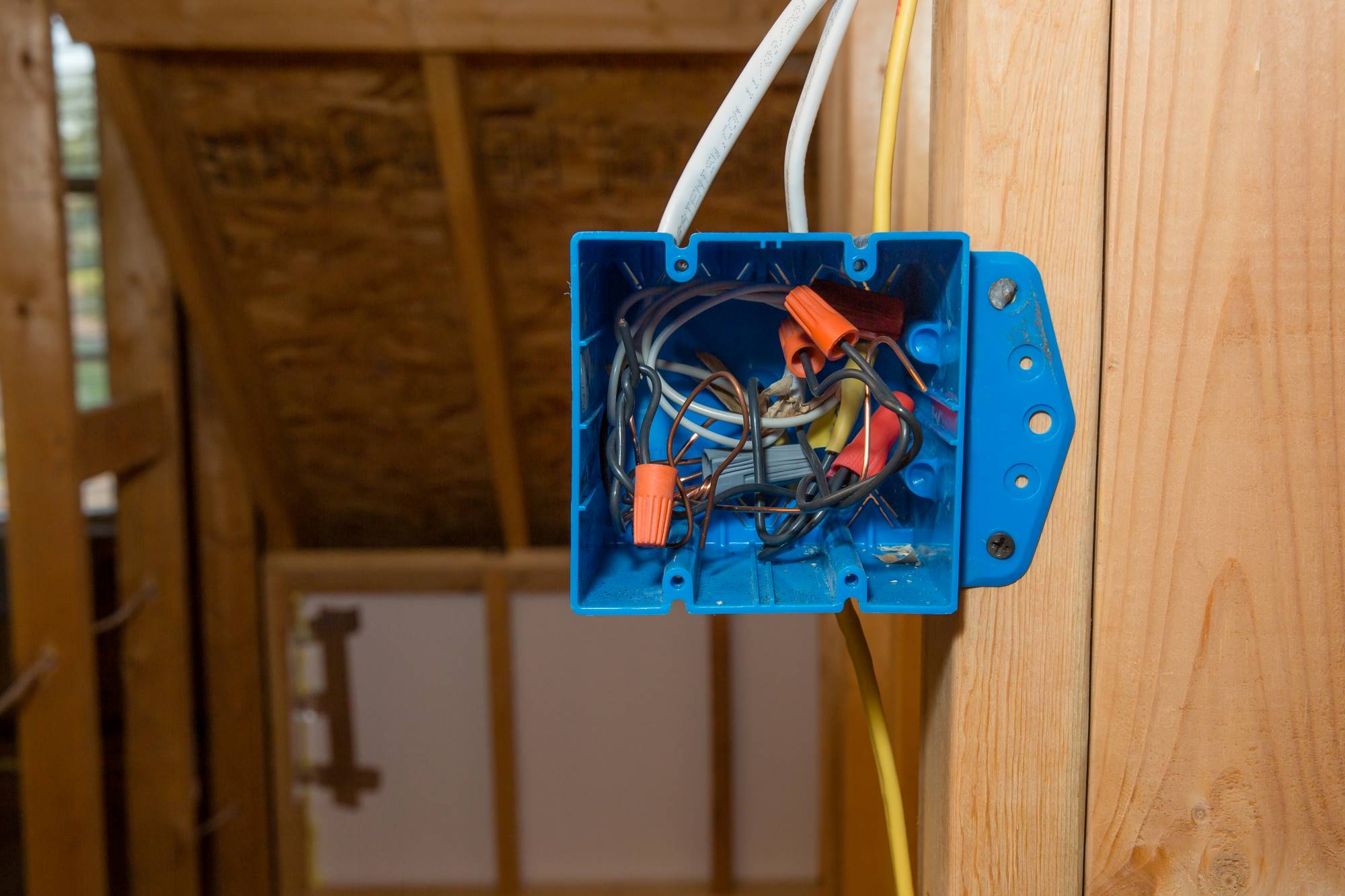
Knob-and-Tube Wiring: What It Actually Is
Knob-and-tube is the original wiring method in most Twin Cities homes built before about 1950. Instead of a modern cable that bundles conductors inside a jacket, it runs two separate single wires: a hot and a neutral, spaced apart, held off the framing by porcelain knobs and passed through joists inside porcelain tubes. The wire's own cloth-and-rubber insulation is the only protection it has. There is no third conductor, which is the detail that matters most: knob-and-tube has no ground.
Here's the part almost no other article leads with, and it's the reason most of our knob-and-tube calls come in. In eighteen years of scoping older homes across the metro, owner Brevik Tharaldson has watched the trigger shift. It's rarely a homeowner who notices a hot outlet. It's a homeowner who just got a non-renewal letter from their insurer, or a buyer whose lender won't close because the carrier won't bind a policy on the house. The wiring didn't change. The insurance industry's tolerance for it did.
"The knob-and-tube calls we get almost never start with a spark. They start with an insurance letter, or a home inspection that just killed a closing."If you own a pre-war bungalow in Longfellow, a foursquare near Como, or a 1940s home on the St. Paul East Side, there's a real chance some original knob-and-tube is still live behind a wall or in the attic, even if the panel was swapped to breakers decades ago. A panel upgrade doesn't touch the branch wiring feeding your rooms. Want to know for sure what's in your walls? Have an electrician inspect old wiring before an insurer forces the timeline on you.
Is Knob-and-Tube Wiring Dangerous?
Knob-and-tube isn't automatically a fire the moment you look at it, and anyone who tells you that is selling. The honest answer: it was safe for the world it was built for, and dangerous in the world it now lives in. Two specific things turn century-old wiring into a genuine hazard, and both are common in Twin Cities homes.
The first is the missing ground. With no grounding conductor, there's no safe path for a fault to follow, and no code-compliant way to add the grounded, GFCI-protected outlets a modern kitchen, bathroom, or garage requires. Every three-prong adapter plugged into a two-prong knob-and-tube outlet is a lie about protection that isn't there.
"The knob-and-tube homes that worry us most aren't the ones that look untouched. They're the ones where a previous owner blew insulation over active circuits and never touched the wiring underneath."
The second is the one that actually starts fires in Minnesota, and it's a Minnesota problem specifically. Knob-and-tube was engineered to shed its heat into open air, which is exactly why the wires are spaced apart and suspended off the framing. Then energy prices climbed, and homeowners across the metro blew cellulose or fiberglass insulation into attics and wall cavities to survive January. That insulation buries live knob-and-tube. The wire can no longer cool itself, the brittle old rubber insulation cooks, and a century of nicks, DIY splices, and hardened jacket does the rest. In our attics we find it constantly: original wiring smothered under a foot of blown-in, running today's loads it was never sized for.
• No ground path for faults, and no legal way to add grounded outlets on the same wiring.
• Buried under insulation, which defeats the air-cooling the whole system depended on.
• Overloaded by modern loads: window units, space heaters, home offices, and kitchens the 1940s never imagined.
• Degraded splices, where decades of amateur taps and tape have replaced the original terminations.
How to Tell If You Have Knob-and-Tube Wiring
You can often confirm knob-and-tube yourself without touching a single wire, and it's worth doing before an inspector or an insurer does it for you. The clearest tell is in the basement or the attic, the two places the wiring is usually exposed. Look up.
1. Check the attic and basement joists. Knob-and-tube is unmistakable once you see it: white porcelain knobs anchoring single wires to the framing, and porcelain tubes where a wire passes through a joist. Modern cable doesn't look anything like it.
2. Count the prongs. Two-prong ungrounded outlets throughout the house are a strong hint the branch wiring predates grounding entirely.
3. Look at the wire jacket. Where wiring is visible, knob-and-tube uses cloth-and-rubber insulation rather than the smooth plastic (PVC) jacket of modern cable. Cracking or crumbling insulation is a red flag.
4. Know your home's age. Twin Cities homes built before roughly 1950 are the prime candidates. If yours predates the postwar boom, assume some original wiring may still be live until proven otherwise.
If you spot any of these, the next step isn't panic, it's a real assessment. Not every strand of visible old wire is still energized, and knowing what's live versus abandoned changes the whole scope. Call (952) 443-4113 and we'll tell you what's actually feeding your rooms before you spend a dollar. If you're weighing a bigger project, our guide to signs your Twin Cities home needs rewiring walks through the symptoms that point past a single outlet toward the whole system.
Why Insurers Refuse to Cover Knob-and-Tube
This is the wall most homeowners actually hit, so let's be direct about it. A growing number of carriers will not write or renew a homeowners policy on a house with active knob-and-tube, and the ones that will often demand documentation that it's been removed or professionally deactivated. From the underwriter's seat the logic is simple: the wiring is old, it's ungrounded, its condition is impossible to verify from the street, and buried-insulation fires are a known claim pattern.
• New policy declined at binding, which stalls a home sale because the buyer's lender requires coverage to close.
• Non-renewal on an existing policy, sometimes after a carrier updates its underwriting rules or an inspection surfaces the wiring.
• Coverage offered only with conditions, such as proof of a licensed rewire or a signed statement that no active knob-and-tube remains.
What insurers almost always accept is a documented rewire by a licensed electrician. That's the paperwork that turns a non-renewal into a bound policy. When we remove active knob-and-tube, you get a permitted, inspected job with a record you can hand straight to your carrier. Talk to a licensed electrician if you're staring at a coverage letter and a clock, because the timeline is usually tighter than homeowners expect.
What a Knob-and-Tube Replacement Actually Involves
There's no partial fix for active knob-and-tube feeding today's loads. You can't ground it, you can't safely bury it, and you can't splice modern branch circuits onto it and call it done. The safe path, and the one carriers accept, is replacement of the active runs with modern grounded cable. Because knob-and-tube predates grounding entirely, a rewire almost always comes packaged with a service upgrade so the new circuits land on a panel with the capacity and grounding a modern home needs.
The single biggest lever on the size of the project is timing. A rewire of the whole house is dramatically easier and less invasive when the walls are already open, which is why the smartest move is to fold it into a remodel, a re-roof that exposes the attic, or a basement finish. If your knob-and-tube is confined to one level or a defined area, the scope may be smaller than you fear. That's exactly why we scope before we quote instead of the other way around.
When You Might NOT Need to Rush
We'll tell you when to hold off, because not every homeowner with old wiring needs to move this week:
• The knob-and-tube is fully abandoned, already disconnected from the panel and carrying nothing. Confirmed-dead wiring in the walls isn't an active hazard, though carriers may still want it documented as inactive.
• No insurance pressure and no symptoms yet, and you're planning a remodel within a year or two anyway. It's often smarter to fold the rewire into that project than to open walls twice.
• A single isolated legacy circuit in an otherwise modern home may be a targeted replacement, not a whole-home job.
If someone quotes a full-house rewire off a glance at your attic without confirming what's actually live, get a second opinion. An honest scope tells you what needs to go now and what can wait.
FAQ: Knob-and-Tube Wiring in the Twin Cities
Will my insurance cover a home with knob-and-tube wiring?Increasingly, no. Many carriers now decline new policies or refuse to renew existing ones on homes with active knob-and-tube, because it's ungrounded, its hidden condition can't be verified, and buried-wiring fires are a documented claim pattern. Some will offer coverage only with proof that the wiring has been professionally removed or deactivated. A permitted, inspected rewire by a licensed electrician is the documentation carriers typically accept, and it's usually what turns a non-renewal or a stalled home sale back around.
How much does it cost to replace knob-and-tube wiring?There's no honest flat number, and any contractor who quotes one over the phone is guessing. The cost depends on how much of the wiring is still active versus abandoned, the size and layout of the home, how accessible the runs are, whether walls are already open for a remodel, and whether the panel and service also need to come up to modern capacity. A rewire with the drywall already open during a remodel costs far less than the same work after everything's been closed back up. We scope the home, confirm what's live, and give you a real number based on your house, not a range pulled from the internet.
Does replacing my electrical panel get rid of knob-and-tube?No, and this trips up a lot of homeowners. A panel swap changes the equipment that distributes power; it doesn't touch the branch wiring running through your walls and ceilings. Plenty of Twin Cities homes have a modern breaker panel feeding original knob-and-tube behind the drywall. The two are separate systems, and it's the branch wiring, not the panel, that insurers and inspectors flag.
When to Call Norske Electric
If you own an older Minneapolis or St. Paul home, the smart move is to know what's in your walls before an insurer, a buyer, or a home inspector forces the question on your timeline instead of yours. Knob-and-tube isn't a reason to panic, but active runs feeding modern loads, buried under attic insulation, are a genuine fire concern and an insurance liability, and there's no safe way to leave them in service. Norske Electric, owned by Brevik Tharaldson and licensed in Minnesota (MN Lic #EA005268), has scoped and rewired older Twin Cities homes for 18 years from offices in Hamel and Savage. We'll walk your home, confirm what's actually live, and tell you honestly what needs replacing now and what can wait. Call (952) 443-4113 or request a quote online and let's get ahead of it.